AI product design · Enterprise tooling
Designing an AI-driven tool for rapid early-stage product ideation.
I founded, designed, and built an AI-powered wireframing tool that helps product teams move from an idea to an editable interface in seconds.
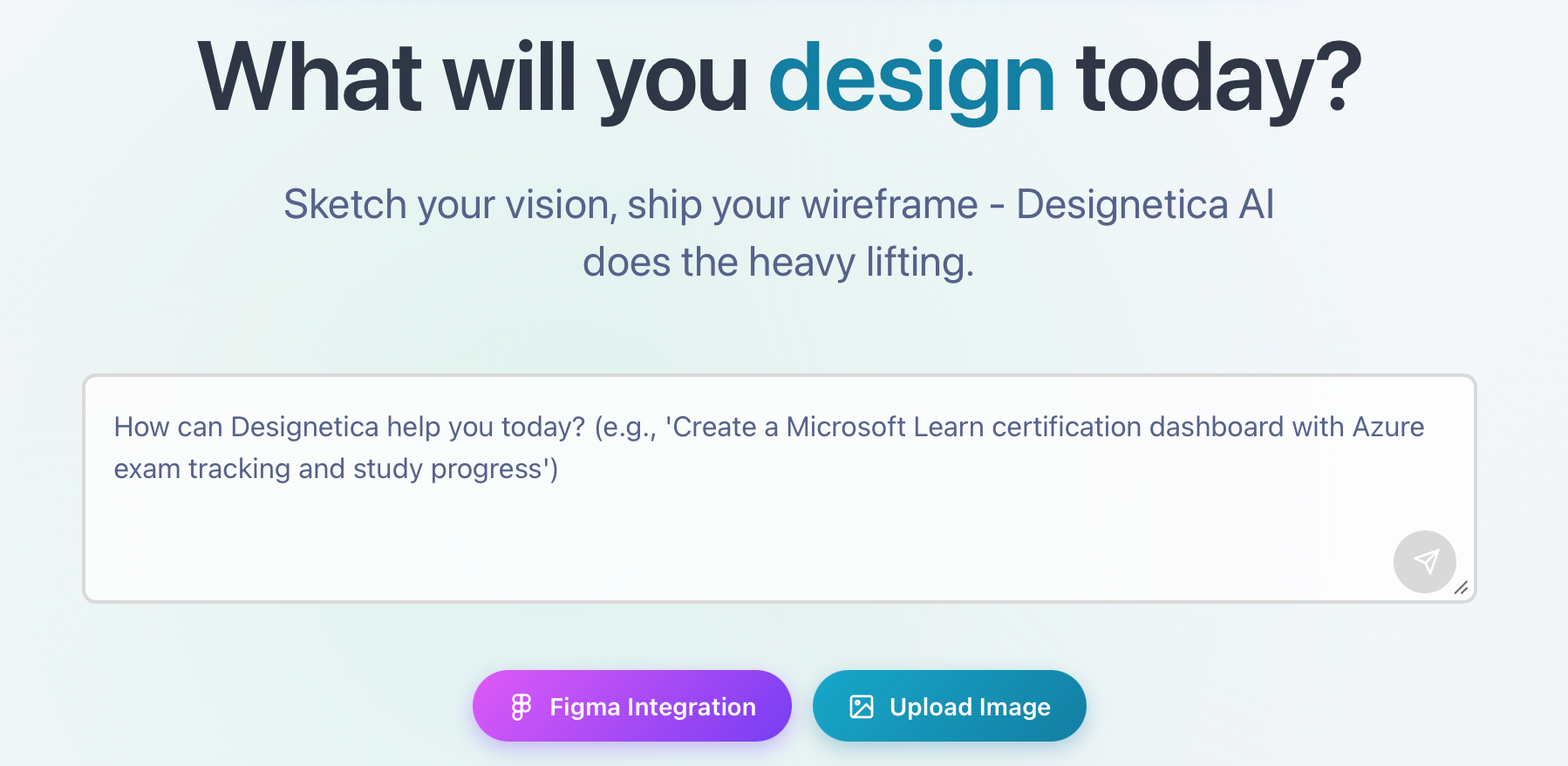
A note on confidentiality. This internal enterprise tool remains proprietary, so this case study focuses on the strategy, decisions, and outcomes I can share publicly.
Executive summary
The problem
Early ideation required teams to repeatedly translate rough ideas into digital wireframes before they could align on a direction.
My contribution
I owned the product vision, AI workflow, interaction model, prompt behavior, research, prototyping, and front-end implementation.
The outcome
Concept-to-wireframe time moved from hours to seconds, enabling faster iteration and broader participation.
Why this problem mattered
Product teams needed to explore user flows quickly without spending hours on repetitive layout work or committing too early to polished screens.
Customer need
Generate, compare, and refine early concepts with less overhead.
Product opportunity
Make ideation more accessible to designers, developers, and product managers.
Constraints
Generated output needed to remain editable, reliable, and aligned with design-system standards.
My role and ownership
I took founder-level ownership from product strategy through implementation, partnering with product and engineering to test model reliability and fit the experience to real workflows.
I led
- Product vision and UX strategy
- AI workflow and prompt behavior
- Interaction model and prototypes
- Front-end implementation
I influenced
- Model-output quality
- Design-system alignment
- Feature requirements
- Integration with design workflows
I partnered with
- Product managers
- Engineers
- Designers
- Early internal users
Research and key insights
Feedback from designers, developers, and product managers exposed bottlenecks in early design and shaped the core requirements.
Speed needs structure
Fast generation is useful only when teams can understand and edit what the system produces.
Input must be flexible
Teams begin with different artifacts, so the workflow needed to support language, screenshots, and sketches.
Iteration builds trust
People needed to refine generated output without discarding their work or restarting the conversation.
Design principles
Start fast
Turn lightweight input into a useful first structure with minimal setup.
Keep people in control
Make generated structure visible, editable, and reversible.
Build on the system
Use adaptive components, spacing rules, and hierarchy correction to keep output coherent.
Key design decisions
The most consequential decisions balanced generation speed with authorship, transparency, and product quality.
Decision 01
Use layered generation instead of a one-shot polished screen
- What we learned
- Speed without control produced brittle output and weakened trust.
- Options considered
- A single polished result or an editable, staged workflow.
- Tradeoff
- The layered model added interaction steps but preserved authorship.
- Decision
- Expose generated structure and let people refine individual elements or expand into flows.
Decision 02
Make refinement conversational and direct
- What we learned
- Teams expressed changes naturally, such as adding navigation or changing a screen type.
- Options considered
- Manual editing alone or a combination of direct editing and conversational requests.
- Tradeoff
- Conversational refinement required stronger error handling and clearer transformation states.
- Decision
- Support iterative requests while keeping the generated interface editable.
Design evolution
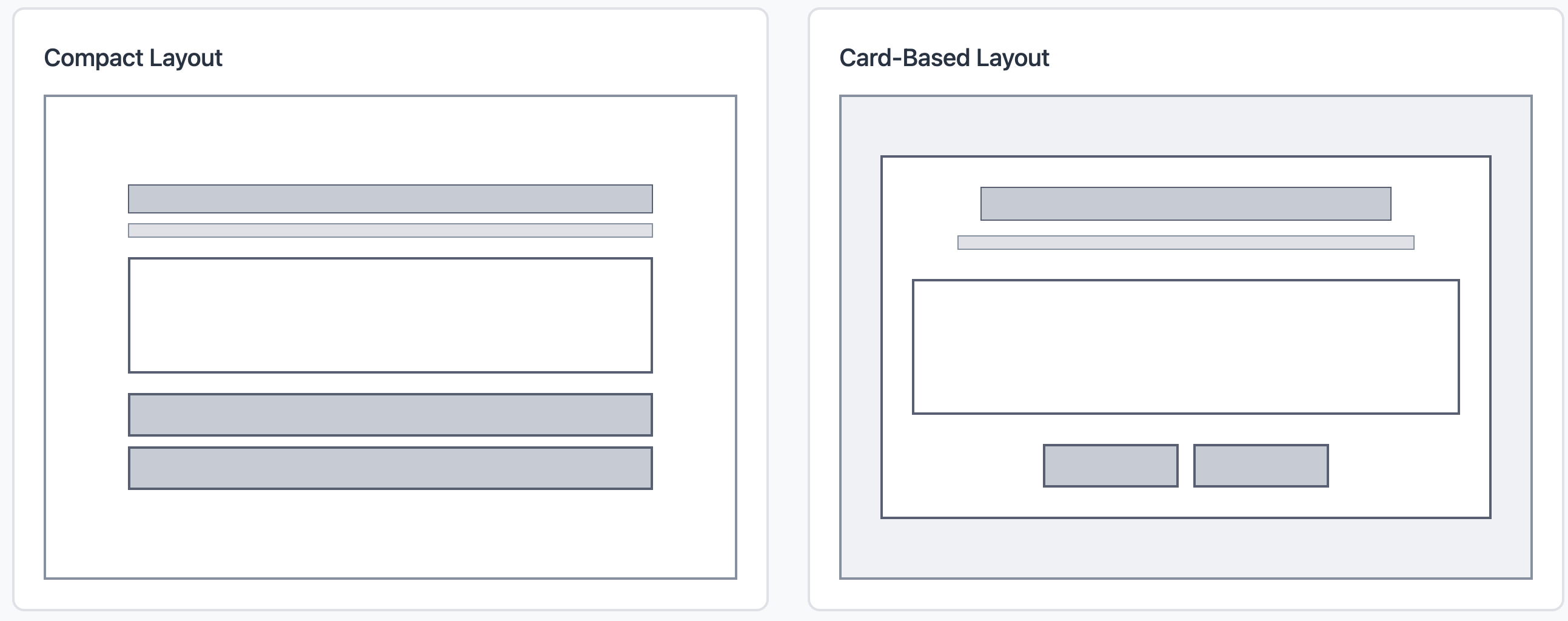
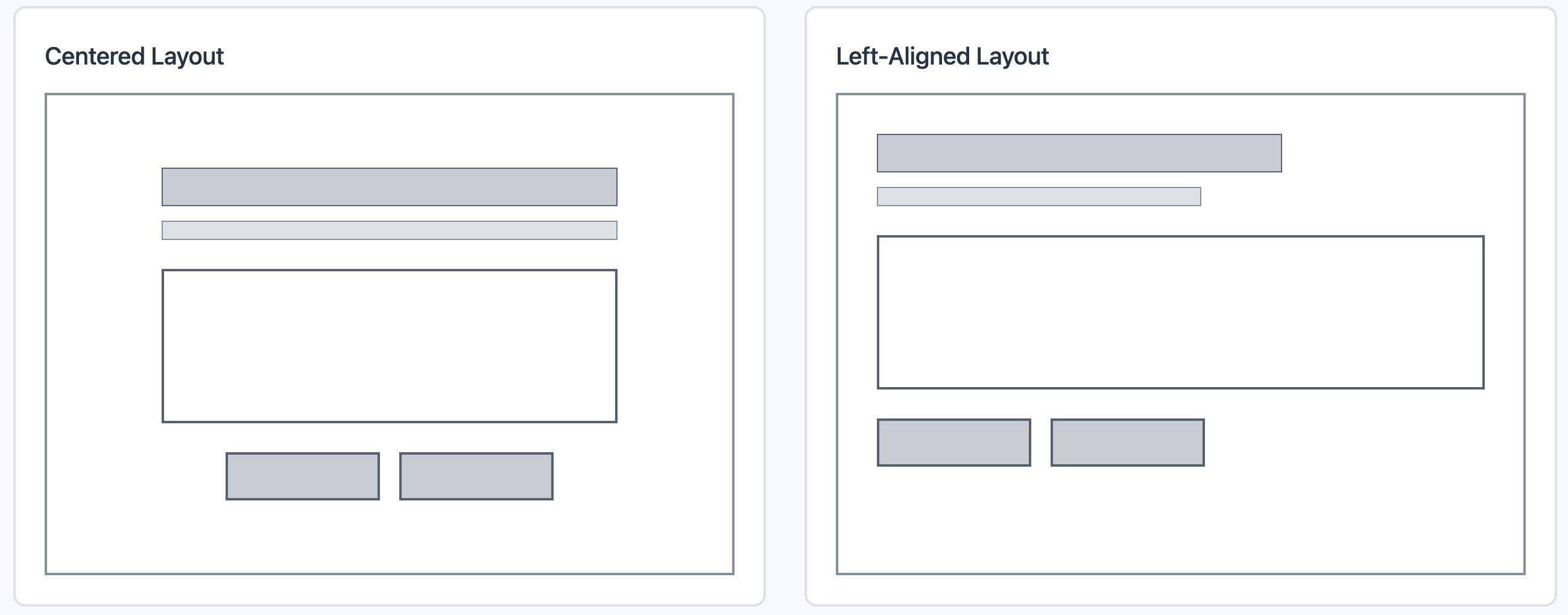
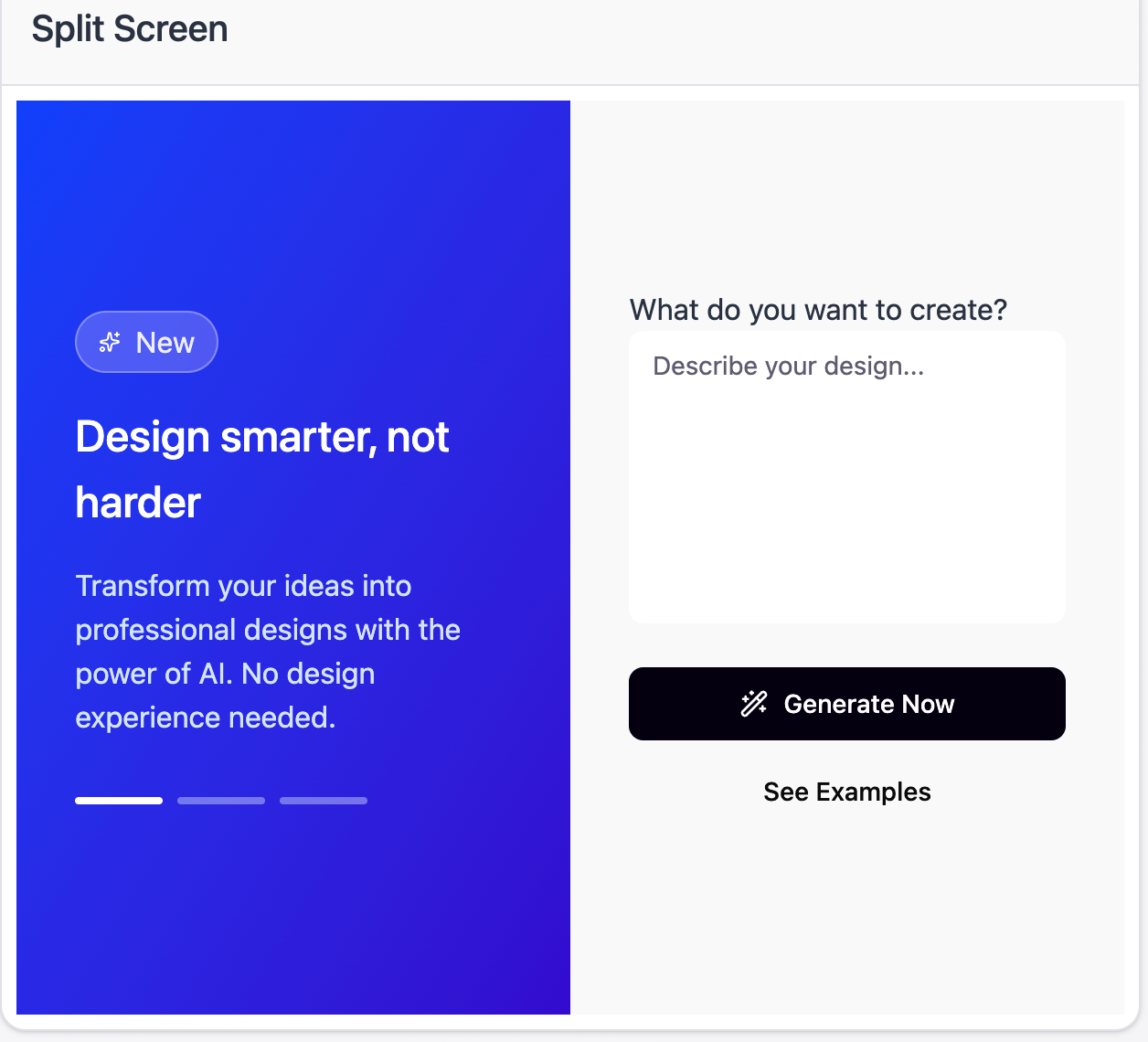
Early explorations tested how much structure the system should generate and how teams could compare directions before committing to a layout.
The final experience
A flexible ideation surface converts language or visual input into editable wireframes, supports conversational iteration, and expands individual screens into connected flows.
Generate
Translate prompts, screenshots, or sketches into structured interface concepts.
Refine
Request changes conversationally or adjust individual elements directly.
Expand
Turn a single concept into a multi-screen flow with consistent patterns.
Impact and outcomes
The tool improved early-stage alignment while lowering the effort required to explore and communicate alternatives.
Leadership and influence
- Set the product direction: Translated emerging AI capabilities into a focused product vision and interaction model.
- Connected disciplines: Created a shared workflow for design, product, and engineering partners to evaluate output quality.
- Made strategy tangible: Used working prototypes and front-end implementation to move decisions from discussion into evidence.
Reflection
What I learned
AI quality is also an interaction-design problem. Trust grew through visible structure, reversible changes, and clear refinement controls.
What I would do next
Continue evaluating prompt reliability and refinement behavior across more complex, multi-screen product workflows.